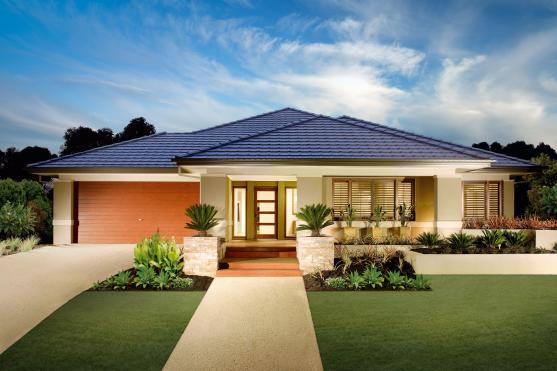
What is a standing seam roof, and what should it be used for? This is one question that, according to the most experienced roofing specialists, simply isn’t being asked often enough. Standing seam roofing systems have been around for a long time, and their versatility have made them an excellent choice for a large number of different applications.
Metal panel roofing is particularly easy to use when adapted to a standing seam design. Aside from falling snugly into place, metal panels also benefit from the additional advantage that metal seams provide when used with materials that are easily affected by temperature changes and are susceptible to thermal expansion.

What Is a Standing Seam Roof?
A standing seam roof is a roof that features a specific design involving the use of vertical panels running up the length of the roof and being connected by seams that keep them fitting snugly together. This tighter fit is what sets a standing seam roof apart from most traditional residential roofing systems, turning it into a solid type of roof structure that can still move freely when subjected to thermal expansion. according to Fort Collins commercial roofing companies, this quality makes standing seam roofs remarkably efficient when it comes to weather-resistance and being able to prevent leaks.
Another one of the main benefits of standing seam roofing systems is that they come with a variety of beautiful colors and can be adapted to almost any material. So, you can use anything from metal panels to wooden sheets, and get the desired aesthetic appeal that will make your home look stunning when set next to all other houses in your neighborhood.
Using Metal for Standing Seam Roofing Designs
Metal is one of the best materials that can be used for a standing seam roof, because of its impressive resilience, low maintenance, energy efficiency and excellent weather resistance. Basically, the metal standing seam roof is an elegant, winning combination that has no rival.
Because the panels are typically attached to the underlayment by fasteners or clips, the metal is allowed to freely expand when subjected to extreme heat. Therefore, metal standing seam roofing is ideal when it comes to warmer or fluctuating temperatures, especially when using an appropriate type of underlayment.
The underlayment is still important when it comes to withstanding rain and preventing leaks during storms, however, because of the metal panels’ ability to keep all water away, this is less true than in the case of other materials used for standing seam roofing.
The most important benefit of a standing seam metal roof is the remarkable resilience and low maintenance that metal can offer, aside from its fireproof and energy-efficient qualities. Metal roofs typically have lifespans that exceed 50 years, and they only require minimal repairs or maintenance in most cases.
Elegance, versatility and a weatherproof design are three of the other main assets that make roofers want to recommend standing seam roofing designs to residents almost regardless of where they live. After all, what is a standing seam roof, if not a roof featuring an ingenious construction made to enhance the protective abilities of just about any material it is used on?